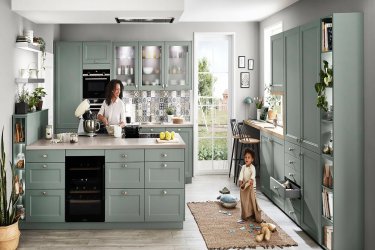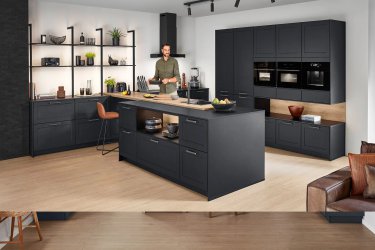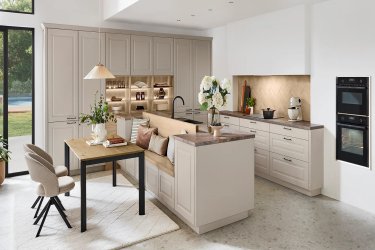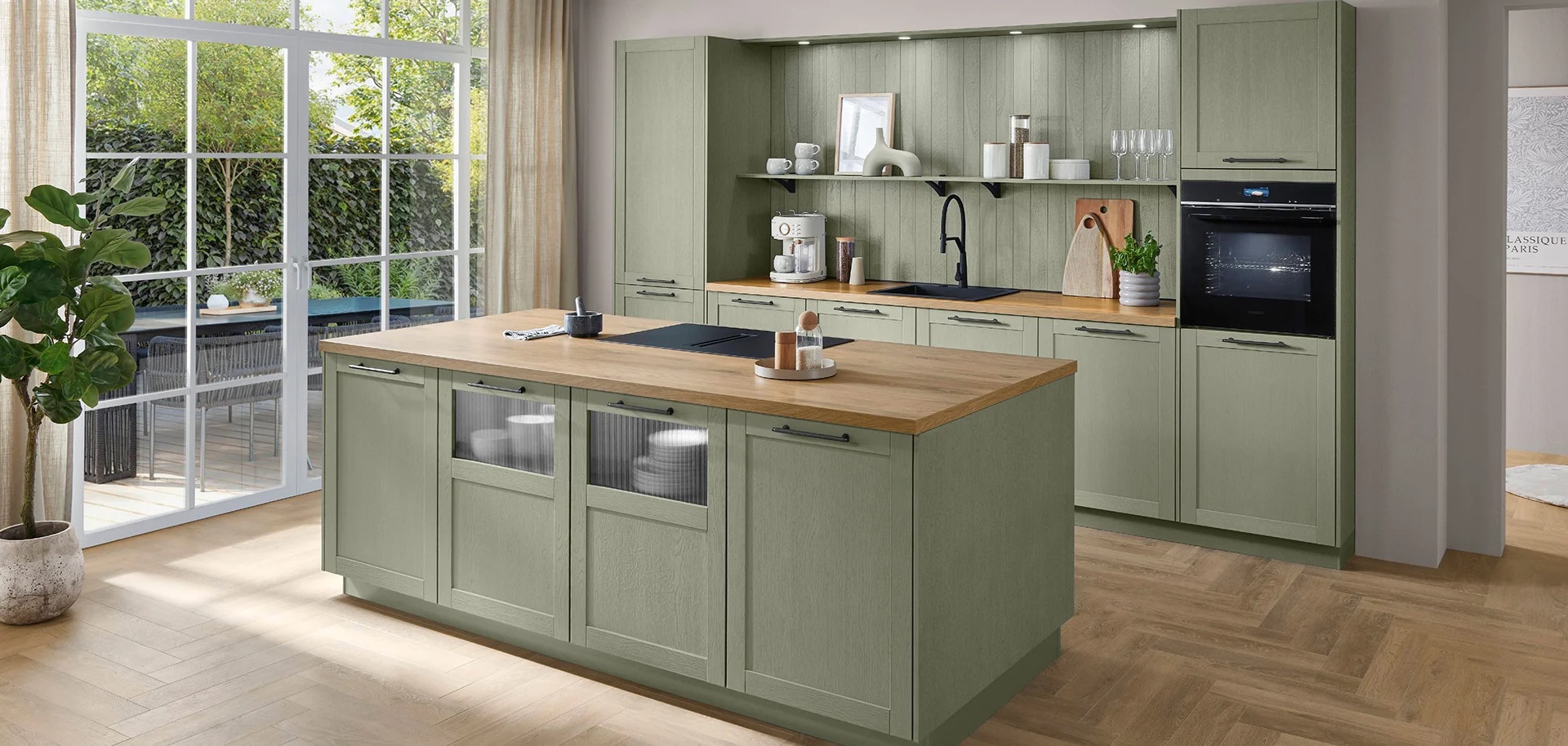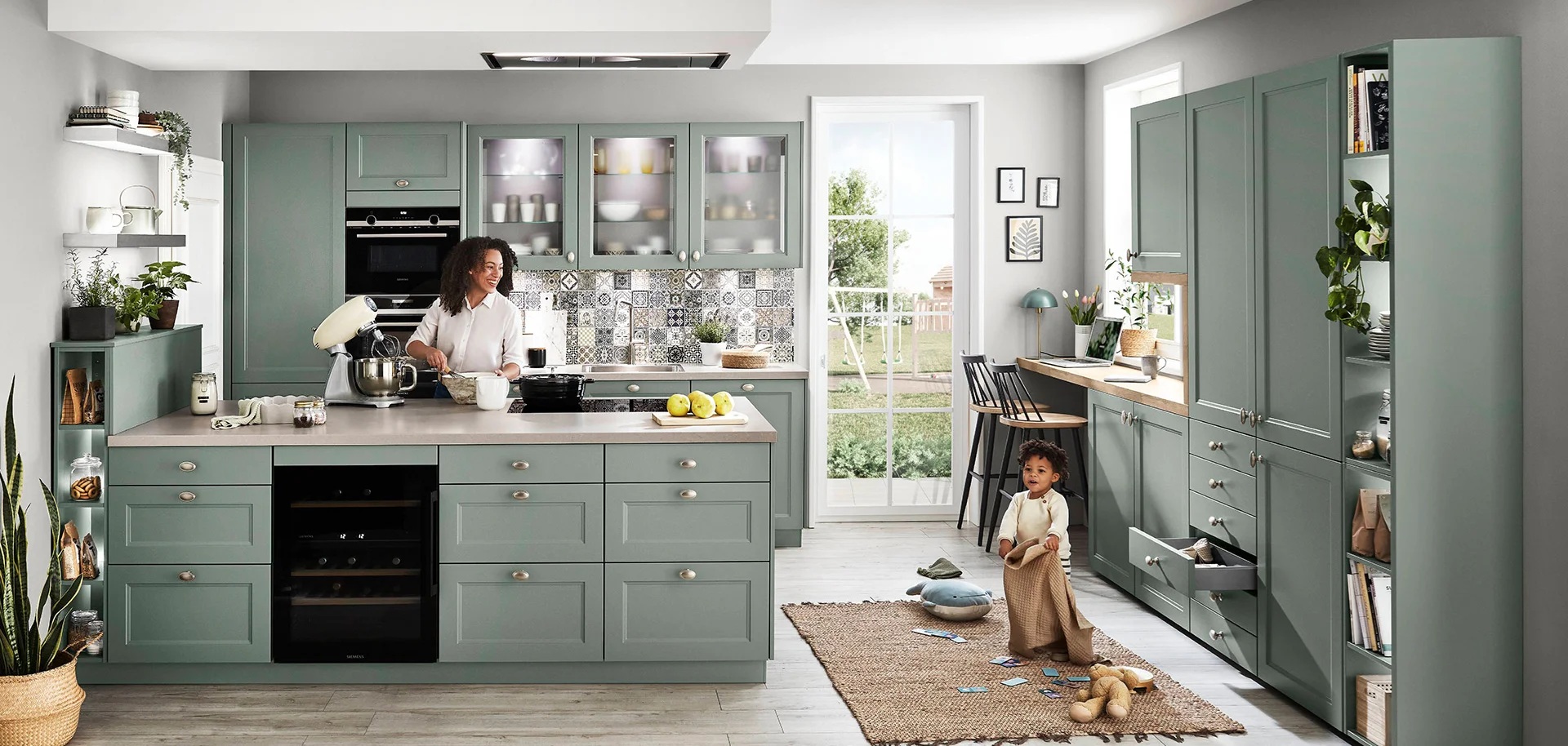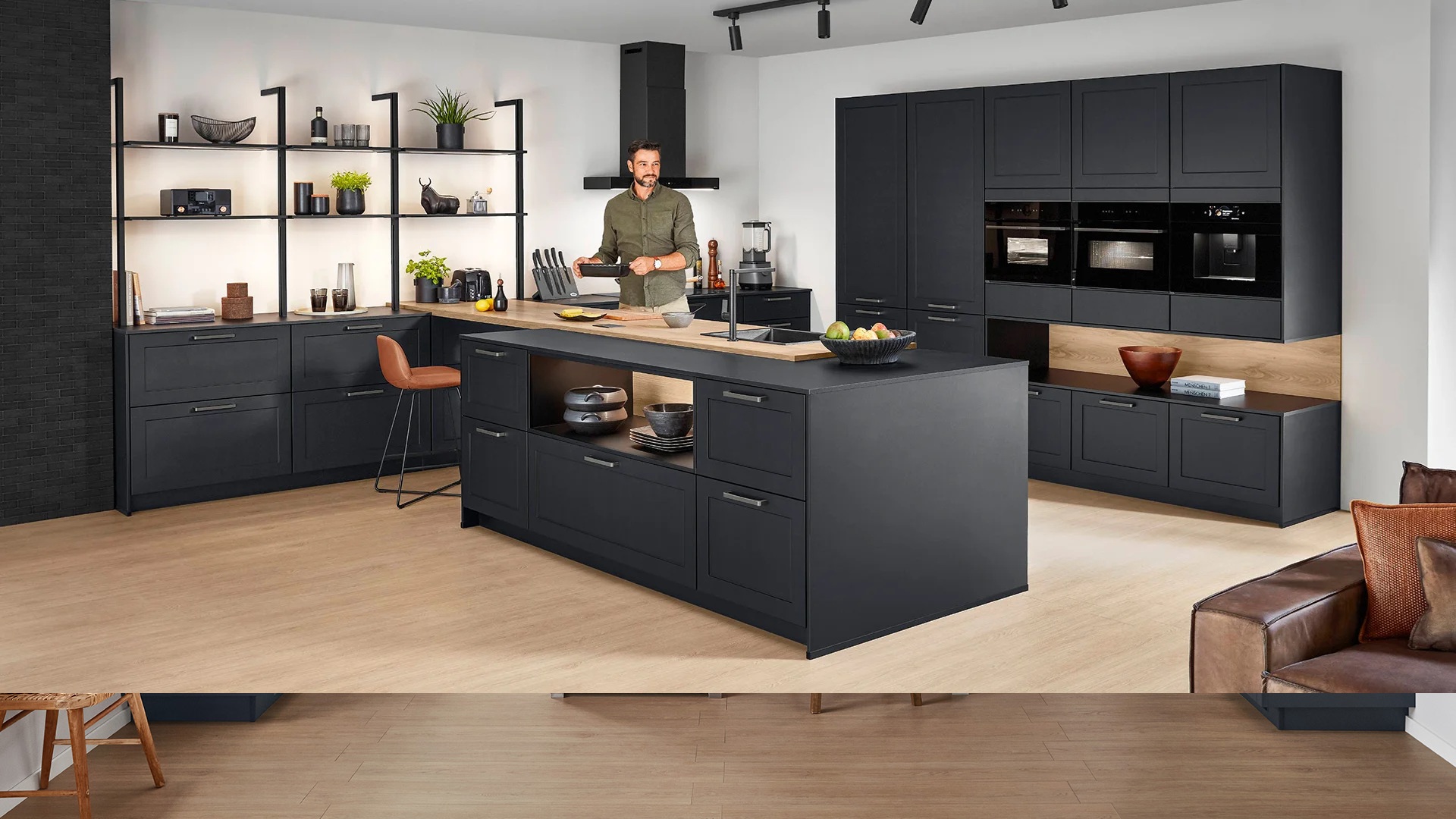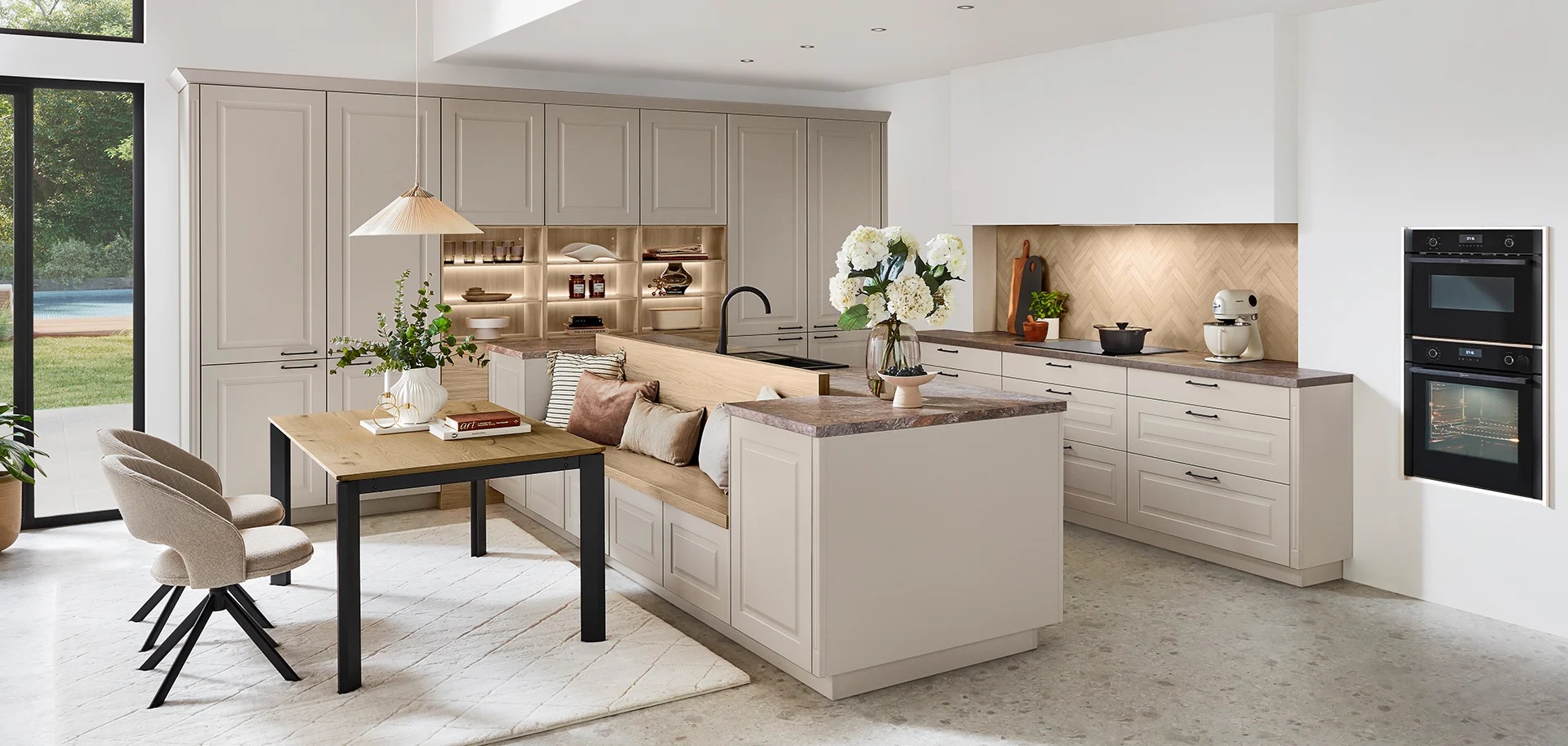
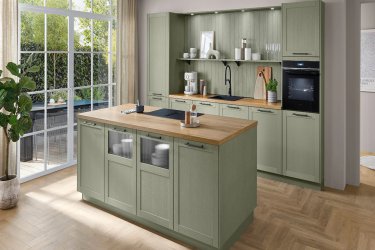

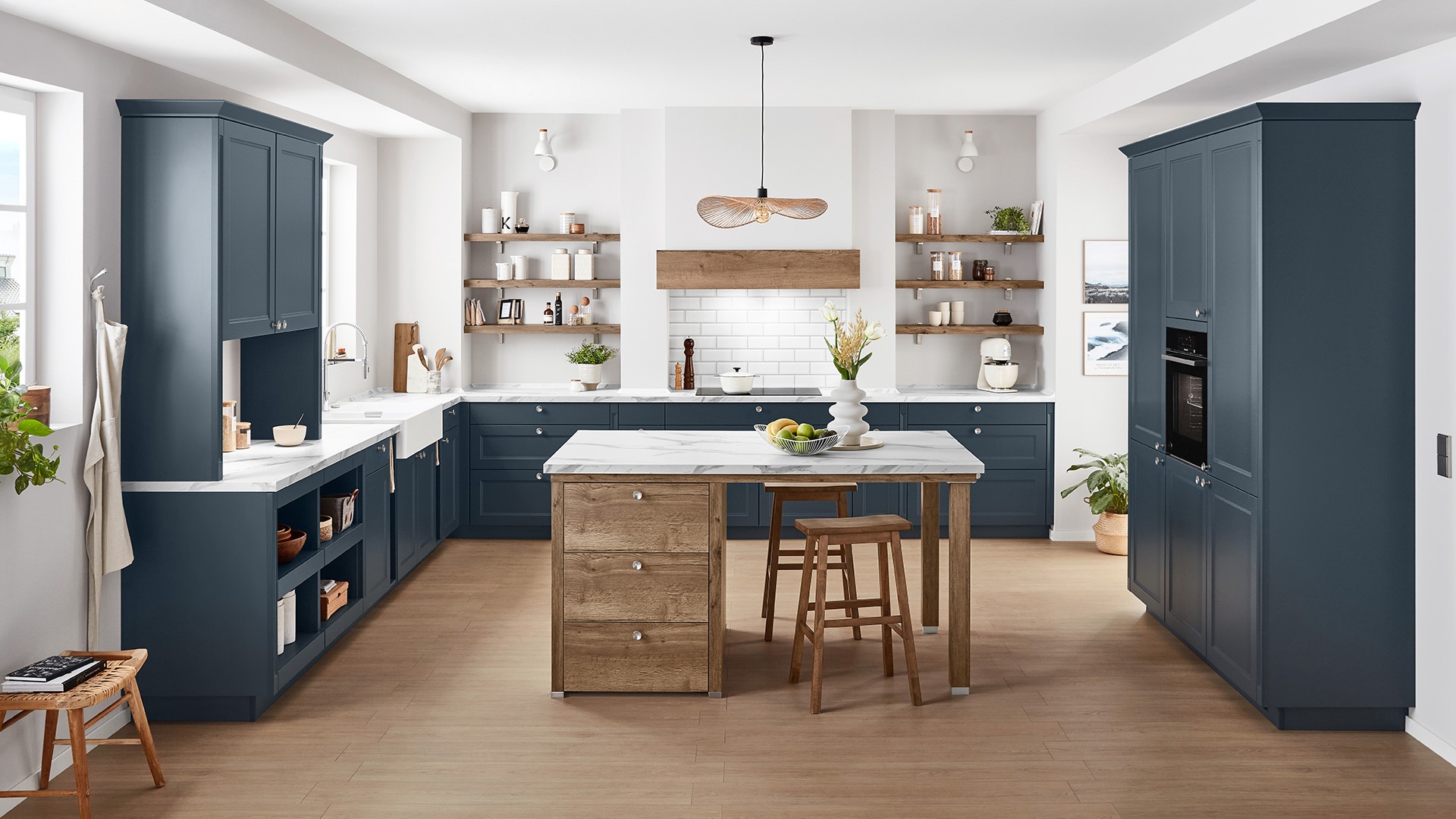
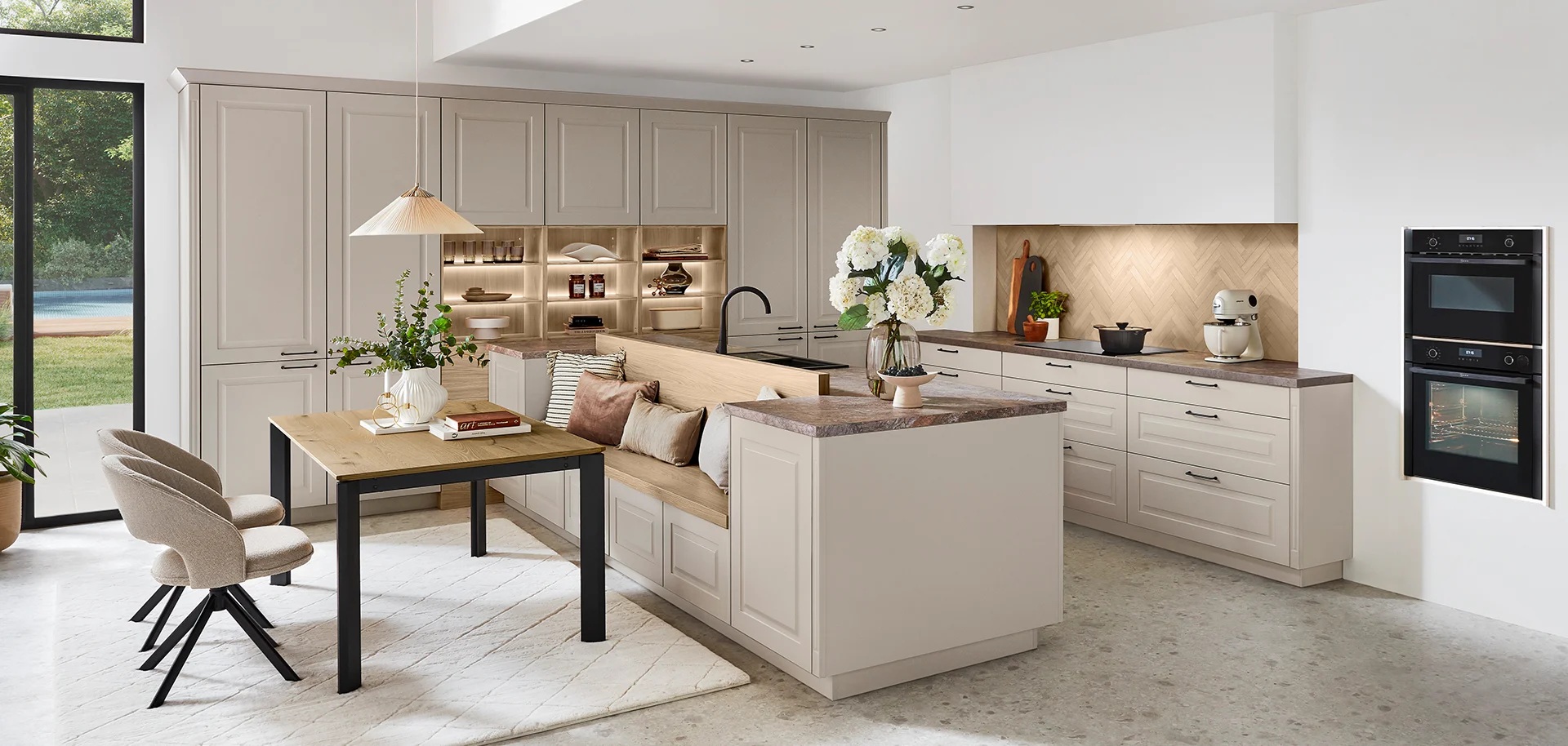
The Shaker kitchen is the undisputed icon of timeless interior design. Defined by its classic framed door and clean, unpretentious aesthetic, it brings an innate warmth and character to any home. However, while the style itself is deeply rooted in traditional craftsmanship, the way these kitchens are built has evolved dramatically. At The German Kitchens, we offer a revolutionary approach: the heritage aesthetic of a classic Shaker door, backed by the indestructible, millimeter-perfect engineering of modern German manufacturing.
For decades, homeowners believed they had to choose between the charming, bespoke look of a British Shaker and the rigid, high-performance longevity of a German kitchen. Today, our West London showroom blends the best of both worlds. This comprehensive guide covers what makes a German-engineered Shaker unique, the difference between classic and modern styles, how hardware transforms the look, and what you can expect across our 10 flexible price groups.
Traditional Shaker kitchens are beautiful, but they can be susceptible to the challenges of modern living. Solid timber doors can warp in humid environments, painted finishes can chip, and traditional hinges can sag over time. When you specify a Shaker kitchen from our premium German partners, you are investing in next-generation construction:
The beauty of the Shaker style is its versatility. Depending on the proportions of the frame, the kitchen can lean toward a rustic farmhouse feel or a sleek, contemporary aesthetic. We primarily design with two variations:
| Design Feature | Classic Shaker (5-Piece) | Modern / Skinny Shaker |
|---|---|---|
| Frame Width | Traditionally 70mm to 100mm wide, offering a robust, heritage appearance. | Narrow frames, often just 15mm to 50mm wide, creating an elegant, delicate border. |
| Joint Style | Visible vertical and horizontal seams (V-joints) mimicking traditional carpentry. | Seamless, one-piece routed construction with no visible joint lines for a purist look. |
| Best Suited For | Period properties, Victorian terraces, and homes wanting a cozy, timeless feel. | Modern apartments, extensions, and clients wanting texture without traditional heaviness. |
| Cornice & Pelmet | Often paired with traditional decorative molding and traditional plinths. | Usually designed with square, minimal molding, or entirely without top cornicing. |
Because the Shaker door has a frame that catches natural light and creates soft shadows, it is the perfect canvas for colour. While high-gloss modern kitchens usually stick to whites and greys, Shaker kitchens thrive in rich, deep tones or earthy neutrals. The German Kitchens offers hundreds of curated factory colours.
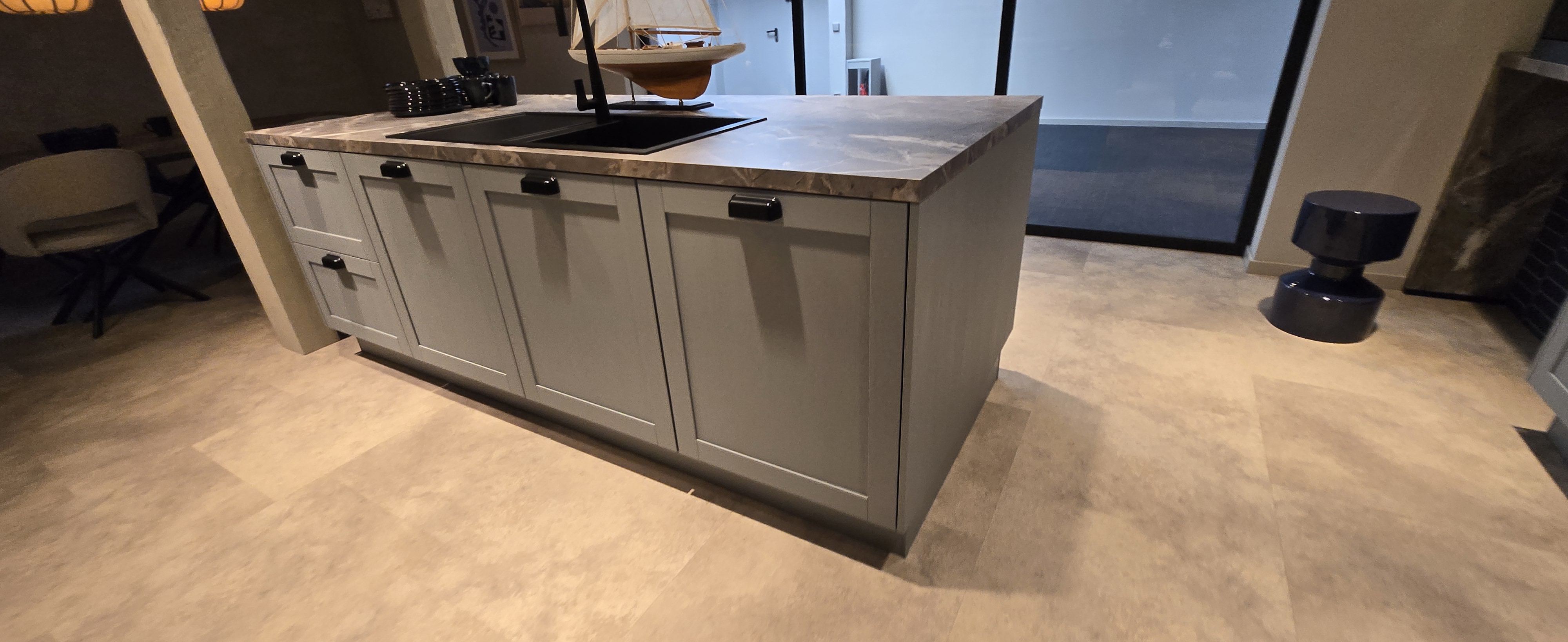
Unlike a handleless kitchen where the cabinetry speaks for itself, a Shaker kitchen relies heavily on its hardware. The handles you choose will define the final personality of the room. In our design consultations, we focus closely on hardware curation.
For a traditional farmhouse aesthetic, aged brass cup handles on drawers paired with matching knobs on cabinets is the gold standard. If you want to push your Shaker kitchen into a more contemporary, industrial space, long knurled T-bar handles in matte black or brushed nickel provide a stunning contrast against a traditional framed door.
At The German Kitchens, we believe that world-class engineering should be accessible across different budgets. Our Shaker collections span our 10 distinct price groups, meaning we can tailor the specification to your financial requirements without ever compromising on the core German build quality.
It is a common question: can you combine the traditional Shaker frame with a modern handleless opening system? Generally, the deep frame of a Shaker door makes traditional handleless metal profiles difficult to integrate elegantly. However, some of our premium German brands offer a hybrid "grooved Shaker"—a slab door with a delicate routed border that mimics a Shaker, allowing it to work seamlessly with a push-to-open mechanism or a discreet grip ledge. Speak to our designers if you want to explore this unique transitional style.
Because of the recessed centre panel, dust can occasionally settle on the bottom edge of the frame. However, the premium factory lacquers and foils used in our German ranges are incredibly smooth and non-porous, meaning a quick wipe with a damp microfiber cloth is all that is required to keep them looking pristine.
Not at all. While classic 5-piece Shakers suit period homes, the "Skinny Shaker" or modern flat-framed Shaker was designed specifically for contemporary spaces. It adds much-needed texture and warmth to new-builds, preventing them from feeling too clinical or sterile.
Yes. While we have a vast array of standard factory colours (from Cashmere to Deep Navy), our premium price groups (Groups 7-10) offer a bespoke RAL colour-matching service, allowing you to perfectly coordinate your kitchen with your interior design scheme.
It depends on the price group. Our luxury tiers feature solid ash or oak timber frames. However, our most popular mid-range options utilise ultra-stable, high-density MDF cores with premium lacquers. This modern construction method actually outperforms raw timber in resisting heat, moisture, and warping.
Because our cabinets arrive from Germany fully rigidly assembled (not flat-packed), the installation is incredibly efficient. A standard layout typically takes our expert fitting teams between 5 to 7 working days, ensuring minimal disruption to your home.
You truly have to feel the velvety finish of a German lacquered Shaker door and experience the silent, heavy glide of the drawers to understand the difference. Photographs simply cannot capture the weight and quality of the engineering. We invite you to visit our West London showroom in Harrow to explore our traditional and modern Shaker displays, browse our extensive colour swatches, and discuss your project with our design experts.